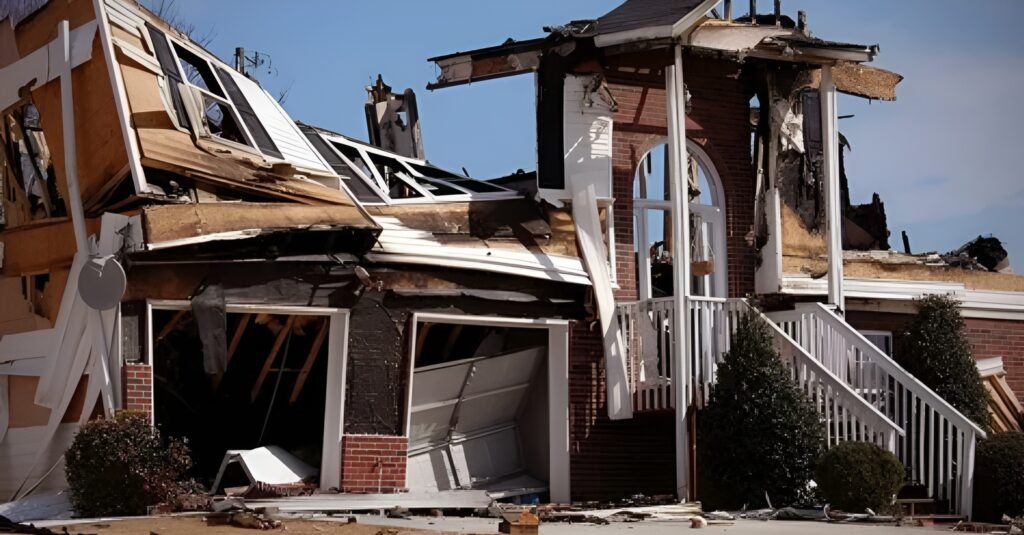
Most people don’t plan for disasters. They plan for weekends. Workdays. Regular life. Then something happens. A storm hits harder than expected. A pipe breaks overnight. Smoke damage spreads further than anyone thought it would. If you live or run a business in Portland, OR, you’ve probably seen how fast things can change.
When that happens, two terms come up a lot: mitigation and restoration. They sound similar. They’re often confused. But they mean very different things. Understanding the difference between disaster mitigation and restoration helps you respond calmly, make better decisions, and avoid mistakes that cost time and money.
Mitigation is about reducing damage before it grows. It’s not about repairing what’s already broken or jumping straight into storm damage restoration. It’s about limiting how bad things get. Sometimes that happens before a disaster. Other times, it happens right as the damage starts.
Think of it as damage control.
Examples are simple:
In Portland, OR, where rain and wind are common, these steps matter more than people realize.
You might hear terms like disaster risk reduction or hazard mitigation. They sound technical, but the idea is straightforward.
It means spotting risks early and lowering the chance of serious damage.
That could include:
These actions don’t stop disasters from happening. But they often keep small problems from turning into major ones. That’s the real purpose of disaster mitigation, less damage, fewer surprises.
Restoration comes later. Once damage has already happened, prevention is no longer enough. At that point, the focus shifts to fixing what was affected and making the space safe again. This is where disaster restoration services are needed.
Restoration can involve:
It’s careful work. Not rushed. And not just cosmetic. Restoration looks at what’s visible and what isn’t.
Sometimes, a property needs immediate protection before full restoration can begin. Broken windows. Damaged doors. Roof openings. That’s when emergency board-up services are used. They secure the property and prevent weather, theft, or further damage.
In Portland’s unpredictable weather, even short exposure can cause more problems. Quick action helps keep restoration manageable.
Here’s the easiest way to remember it:
Both matter. One does not replace the other. When mitigation is handled well, restoration is often faster and less costly.
When something goes wrong, most people feel overwhelmed. That’s normal.
Here’s a simple path forward:
Knowing what to do after a disaster helps you move forward without panic.
Good mitigation supports better restoration outcomes. Stopping water early reduces mold risk. Securing a structure prevents more damage. Acting fast keeps repairs from expanding.
Insurance also plays a role. Disaster restoration insurance claims often depend on how quickly steps were taken and how well the damage was documented. This is why mitigation matters even after damage starts.
Portland properties face unique challenges. Older buildings and persistent moisture. The weather changes quickly. Local professionals understand how damage behaves here. They know where water hides. They know how long drying really takes in this climate.
That experience improves both mitigation and restoration results. It reduces long‑term issues. This is where disaster mitigation becomes more than a concept. It becomes practical protection.
Disasters don’t give much notice. But understanding your options gives you control. Disaster mitigation helps limit damage. Restoration helps rebuild and recover. When both are handled correctly, the process feels less overwhelming and more manageable. For property owners, knowing the difference makes recovery clearer and far less stressful.
If your property is at risk or has already been damaged, don’t wait for things to get worse. Premier Property Restoration offers reliable mitigation, responsive disaster restoration services, and fast emergency board-up services throughout Portland, OR. Contact us today to protect your property and move forward with confidence.
Ans: No. But it can significantly reduce how severe the damage becomes.
Ans: As soon as it’s safe. Waiting often leads to mold growth and higher repair costs.
Ans: Coverage depends on the policy. Many disaster restoration insurance plans cover repairs, and early mitigation can support the claim process.
Copyright © 2025 Premier Property Restoration. All right reserved. Developed by Systematic IT Solutions
WhatsApp us