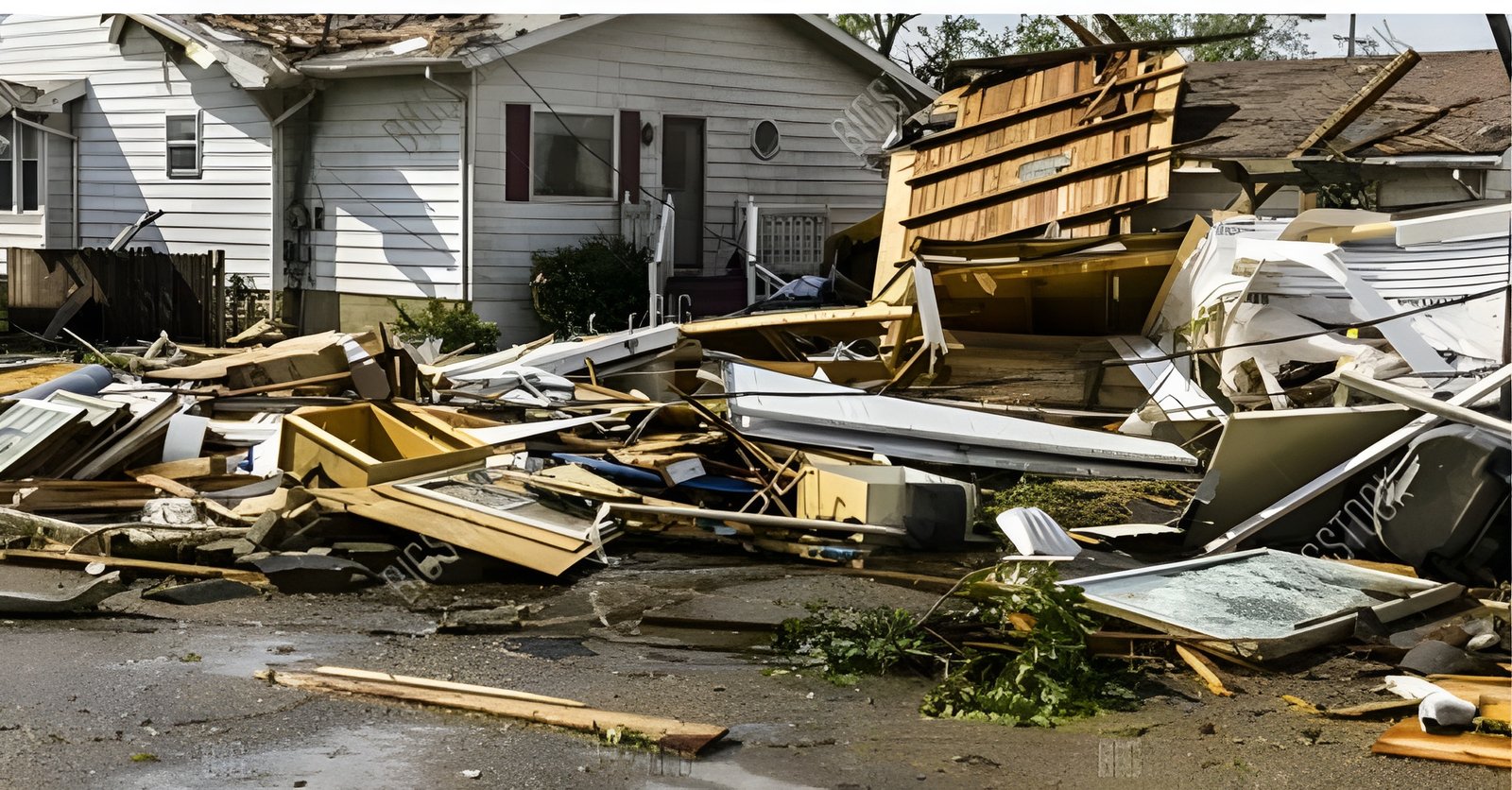
Most people don’t think about insurance until something goes wrong. When it does, it usually happens fast. A pipe bursts overnight. A storm pushes water where it shouldn’t go. Smoke damage spreads farther than expected. Suddenly, you’re standing in the middle of a mess, trying to figure out what matters right now.
If you’re dealing with property damage in Portland, OR, understanding disaster restoration insurance, especially how to document damage properly. It can make the entire recovery process less frustrating and far more predictable. This guide focuses on the practical side of things. What to document. When to do it. How to avoid mistakes that slow everything down later.
Why Documentation Matters More Than People Think
Insurance decisions are based on proof. Not assumptions. Not intentions. Documentation. When damage occurs, insurance adjusters rely on photos, videos, written descriptions, and timelines. Without solid documentation, even valid claims can face delays or reduced payouts.
Good documentation:
- Speeds up the claim process
- Reduces disputes
- Helps ensure fair coverage
This is where many claims either move smoothly or stall.
The First Few Hours After Damage
What you do early matters. A lot. Before cleanup begins, take time to document what you see. Even if the damage looks obvious now, it may not later. This is especially important when working through disaster restoration insurance, since conditions change quickly once drying or repairs begin. Documenting thoroughly can ensure that restoration services are covered and processed without delays.
Start with:
- Wide photos of affected rooms
- Close-ups of visible damage
- Videos that show the scope of the issue
- Notes about when and how the damage occurred
You don’t need professional equipment. A phone is enough. Consistency matters more than perfection.
What to Document (And What People Often Miss)
Most people document obvious damage. Fewer documents detail the details insurers care about.
Make sure you capture:
- Water lines on walls or furniture
- Smoke residue or soot
- Damaged flooring, cabinets, and fixtures
- Affected personal or business items
- Exterior damage, if any
Also, document areas that might be affected. Moisture travels. Smoke spreads. Hidden damage is common. This level of detail supports disaster damage insurance coverage decisions later.
Temporary Protection Still Needs Proof
After damage, many properties need immediate protection. Broken windows. Roof exposure. Unsafe entry points. Using emergency board-up services in Portland, OR, helps prevent further loss, but it should always be documented.
Take photos before and after the board-up. Save invoices and service records. These costs are often part of insurance-covered disaster repairs, but only if they’re documented properly.
Disaster Mitigation and Insurance Claims
Insurance companies expect property owners to take reasonable steps to prevent damage from getting worse. This is where disaster mitigation plays a role, especially when considering the difference between disaster mitigation vs restoration. Mitigation focuses on preventing further damage, while restoration deals with repairing what’s already been affected.
Mitigation includes:
- Stopping water flow
- Securing exposed areas
- Removing standing water when safe
Document these actions. Show that you acted responsibly and promptly. It supports your claim and helps avoid disputes.
Working With Insurance Restoration Services
Once documentation is in place, many people work with insurance restoration services to handle cleanup and repairs.
These professionals understand:
- How damage is assessed
- What insurers typically require
- How to document work as it progresses
Their reports, moisture readings, and repair scopes often strengthen claims and reduce back-and-forth with adjusters.
Understanding Your Coverage
Not all damage is covered the same way. Policies vary. Disaster restoration insurance may cover:
- Sudden water damage
- Fire and smoke damage
- Storm-related losses
Other situations may require additional policies. This is why documentation matters so much. It helps clarify what happened and when. Knowing what your policy includes helps set expectations and avoid surprises during the claim process.
What Comes Next After a Disaster (From an Insurance Perspective)
Beyond safety and cleanup, there are insurance-specific steps that help:
- Document everything before cleanup
- Prevent further damage where possible
- Keep receipts and records
- Communicate clearly with your insurer
- Avoid permanent repairs until approved
Knowing what to do after a disaster from the insurance side reduces delays and confusion.
Common Documentation Mistakes to Avoid
Many claims run into issues because of small, avoidable mistakes.
Common problems include:
- Cleaning before documenting
- Throwing away damaged items too soon
- Not documenting mitigation efforts
- Missing timelines or details
Taking a slower, more deliberate approach early often saves time later.
Why Local Experience Matters in Portland, OR
Portland properties face unique challenges. Moisture lingers. Older materials absorb damage differently. Weather patterns affect drying times. Local restoration professionals, offering expert disaster restoration services, understand how damage behaves here. Their documentation reflects that knowledge, which can support stronger claims. This local insight often makes restoration insurance claims smoother and more accurate.
Conclusion
Insurance after a disaster doesn’t have to be overwhelming. Clear documentation, timely action, and a basic understanding of disaster restoration insurance go a long way toward protecting your claim. When damage is recorded carefully and mitigation steps are documented, the process becomes far less stressful. For property owners, preparation and local expertise make a real difference.
If your property has been damaged and you’re navigating insurance claims. Premier Property Restoration is here to help. Our team in Portland, OR, is here to help you with everything from professional documents to emergency board-up services and insurance restoration. We guide you through disaster repairs that are covered by insurance. Contact us today to protect your property and manage your claim confidently.
Frequently Asked Questions
Q: How long should I keep damage documentation?
Ans: Keep all photos, videos, and records until the claim is fully resolved and repairs are complete.
Q: Can mitigation costs be covered by insurance?
Ans: Often, yes. Documented disaster mitigation efforts may be reimbursed depending on your policy.
Q: Should I wait for insurance approval before starting repairs?
Ans: Temporary protection and safety measures are usually acceptable. Permanent repairs should wait for insurer approval.